Nasri Shoes doesn't advertise. You won't find billboards in Milan or sponsored posts on Instagram. The brand's entire marketing strategy seems to be word of mouth among people who walk a lot—mail carriers, nurses, restaurant servers, the kind of workers who log eight to twelve miles a shift on unforgiving surfaces. I first heard about Nasri Shoes from a line cook in Detroit who claimed his pair survived three years of greasy kitchen floors and a hundred-degree summers without a single seam giving way. That's not a typical origin story for a footwear company。and it's precisely why the brand deserves attention.
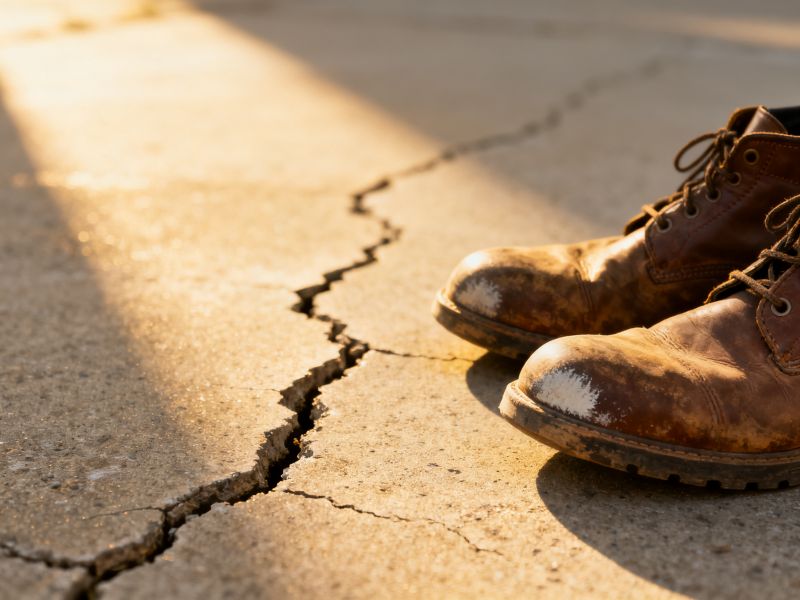
The construction tells you everything. Nasri Shoes uses a Blake stitch—directly attaching the upper to the outsole—rather than the more common cemented method. This isn't a romantic detail;it has practical consequences. Blake-stitched shoes can be resoled by any competent cobbler, and the stitch itself creates a flexible bond that molds to your foot over time. I've seen a five-year-old pair of Nasri Shoes with the original leather upper, a second replacement sole, and a patina that looks intentional. The leather is full-grain, not corrected-grain。meaning it breathes and ages rather than cracking. You feel the difference in the first week: a slight stiffness that softens into a glove-like fit. No break-in blisters, which is rare for a shoe this structured.Where Nasri Shoes stumbles is aesthetics. The silhouettes lean conservative—plain toe bluchers, a work boot that borders on generic, a chukka that won't turn heads. If you want sneaker culture credibility or runway-adjacent design, look elsewhere. But here's the trade-off: that plainness is the point. The brand doesn't chase trends because trends expire. A pair of Nasri Shoes in brown oiled leather looks the same in year four as year one。assuming you clean them occasionally. I've worn mine through two Boston winters, salt stains and all, and they've held up better than boots costing twice as much. The rubber outsole grips wet pavement without the squeak you get from cheaper compounds.Pricing sits in the middle—roughly $180 to $260 depending on the model. That's not cheap, but it's half what you'd pay for comparable Blake-stitched shoes from heritage American brands. The catch is availability. Nasri Shoes sells through a handful of independent retailers and its own sparse website. Sizing runs about a half-size large, and the width options are limited to standard and wide. I ordered my usual size and regretted it;the wide fit would have been better for my flat feet. Customer service responded to my exchange request in two days, which counts for something in an era of automated chat loops.
Would I buy another pair?Yes, with a caveat. Nasri Shoes isn't trying to be everything to everyone. It's a tool for people who prioritize function over flash。and the brand's stubborn resistance to seasonal colorways or celebrity collaborations feels almost stubbornly honest. The shoes aren't perfect—the laces are forgettable, and the insoles compress faster than I'd like. But after eighteen months of daily wear, the leather has creased exactly where my foot bends, the stitching hasn't frayed, and I've stopped thinking about them entirely. That's the highest praise you can give a work shoe: it disappears into your routine, leaving you free to think about anything else.